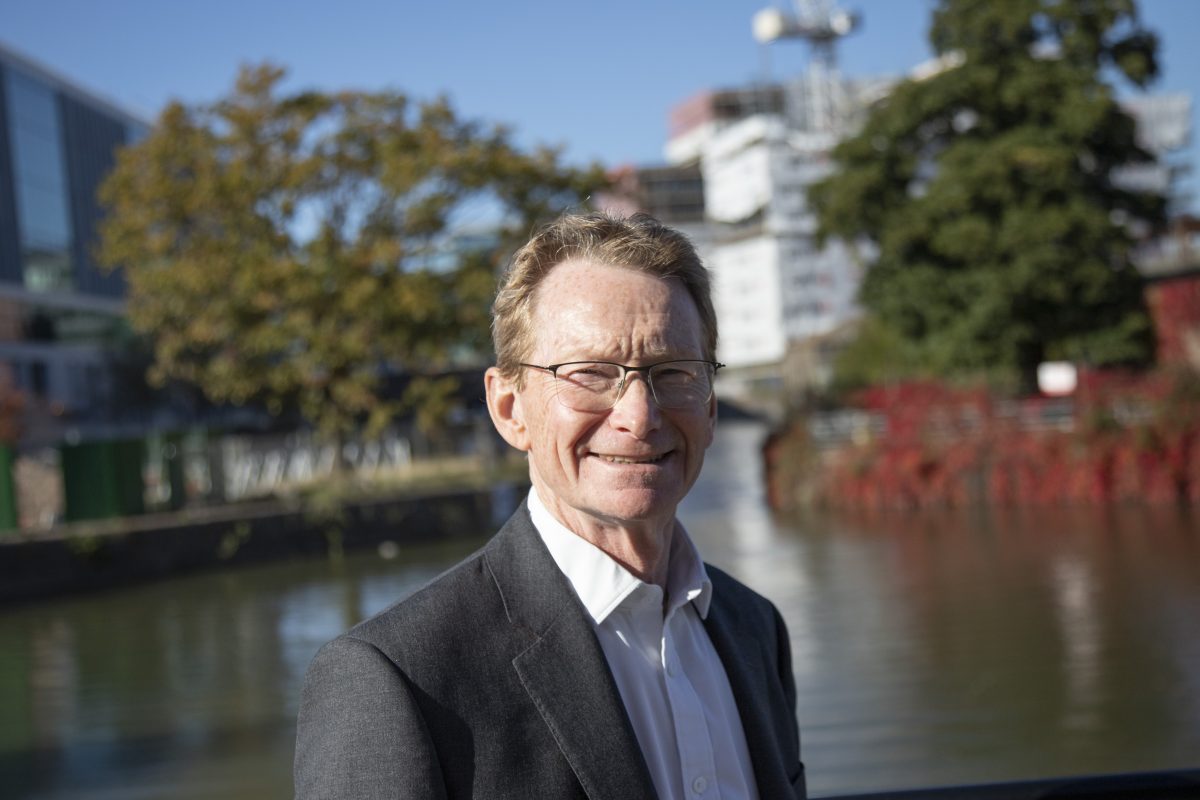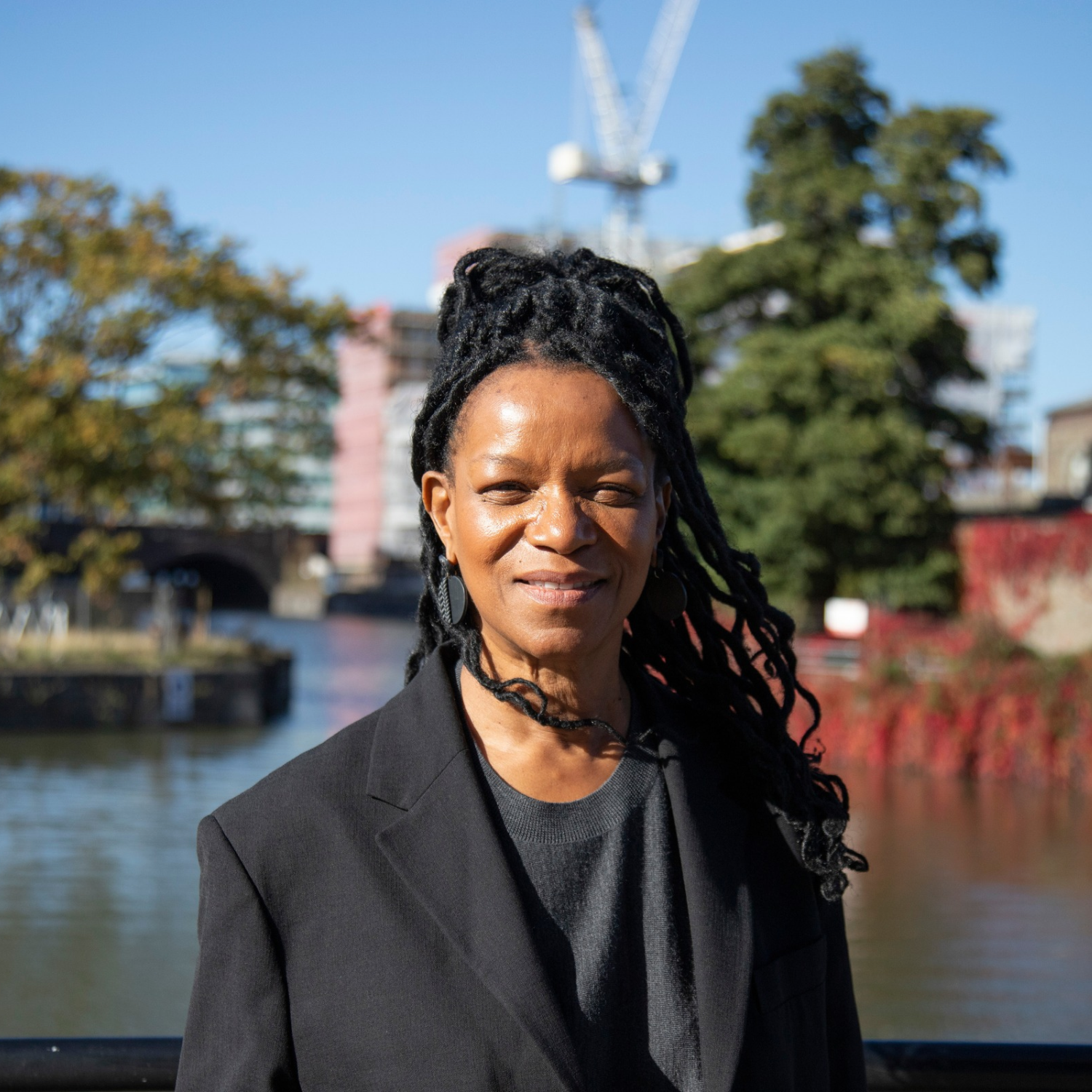
Can you introduce yourself and tell us a little about your background?
I was born and raised in Bristol, and one of my formative experiences was witnessing the St Paul’s riots in 1980 and, subsequently, seeing how the government tried to fix the challenges facing the area. That inspired me to pursue a career in urban regeneration.
I spent much of my career in London, ultimately working for the Mayor of London, where I led large-scale, holistic regeneration programmes. I’m a generalist rather than coming from a traditional built-environment profession, and my approach to regeneration has always been about more than physical development. The programmes I led combined investment in places with support for communities, businesses, the creative and cultural sectors, and voluntary organisations.
I later became an independent consultant, mainly advising public-sector organisations. I’m also a qualified life coach, predominantly coaching executives, and I design and run leadership development programmes.
Alongside all of that I’m an artist specialising in ceramics. My art is inspired by my Caribbean heritage and inner-city life.
What’s one lesson from your career that can be applied to Temple Quarter?
One lesson I’ve learned over my career is not to assume that you should have all the answers. However earnest you are about wanting to get things right, the quality of the outcome depends on how well you listen to others.
Someone once told me that the best consultants are often the people who live and work in an area, and I think there’s a lot of truth in that. For Temple Quarter, we need to listen actively to communities, businesses, organisations and colleagues, because they bring knowledge and perspectives that we simply won’t have on our own. If we listen well, and make space for different voices, we’ll arrive at better solutions and ultimately create a place that works better for everyone.
What made you want to become a Non-Executive Director at BTQ LLP?
I have served on several boards in the past, and was not looking to take up another NED position, but it was impossible to resist taking up the opportunity to give back to the city that inspired my first career choice.
Most of my family members still live in Bristol and I am a regular visitor ‘home’. I know the city well. I care about its future
Is there an upcoming project or area of work that you’re particularly excited about?
It will be a major boost to see the delivery of the first affordable homes, which should come early in the programme. If we succeed with that, then I think people will start to believe that we can deliver real benefits to the city.
Looking back on your first year as a Board member, what experience has stood out most?
I am super impressed by the calibre of expertise and experience on the board.
The Non-Executive Directors are proven in their respective fields and some have been involved in delivering some exceptional schemes, many sharing the characteristics and complexities we are dealing with at Bristol Temple Quarter.
But this isn’t something the Board delivers alone. Our role is to advise, challenge and help steer.
Ultimately, positive transformation will come through collaboration with communities and others who have a stake in this. It is that collective expertise and shared ambition that I find particularly exciting and which gives me confidence that we can deliver.
Finally, what would success look like for the project in the next few years?
We actually asked ourselves this very question at a recent Board session on inclusive and sustainable growth. I’d like to see real, visible progress in improving the built environment over the next few years, but how we deliver that change is just as important as what we deliver.
If we are creating new homes and welcoming new communities, we need to make sure the infrastructure is there to support them. We don’t want growth to come at the expense of the services people already rely on, like schools and GP surgeries.
It’s also about making sure that the transformation translates into tangible benefits for people – whether that’s individuals, businesses, etc., and that we support them through the transition.
In a few years Bristol Temple Quarter should be on its way to becoming a vibrant place of innovation, creativity and enterprise.